Wilmington plumbing guidance
Storms, sandy soil, and two centuries of building history all test a plumbing system differently here.
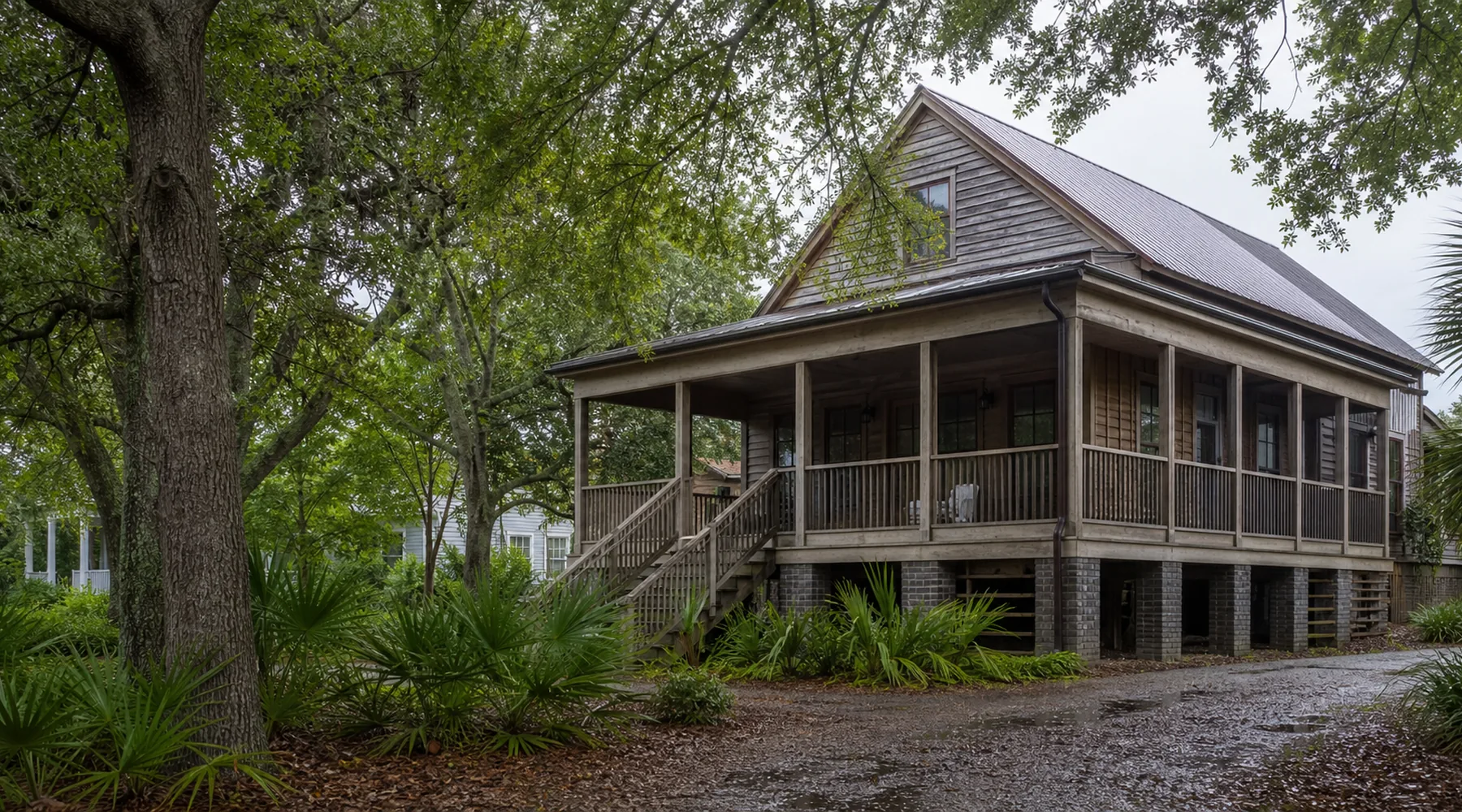
Founded as a Cape Fear River port in the 1730s, Wilmington now carries one of the largest historic districts in the Carolinas alongside barrier-island beach cottages and inland subdivisions built in the last twenty years. Hurricane exposure, sandy coastal-plain soil, and a stubbornly high water table matter as much as the age of the pipe.
Independent matching resource—not a contractor. Provider availability varies.
Built around local conditions
The house and site are part of the scope.
Whatever shows up at a fixture—slow drainage, rusty water, a hammering pipe—usually traces back to something specific about the fixture, the pipe run, or how the site was graded, not a single universal cause.
Since Hurricane Floyd's 1999 flooding and Hurricane Florence's catastrophic 2018 rainfall, Wilmington has kept a close eye on its stormwater and historic-preservation rules alike. A property's flood zone, drainage easements, and any historic-district review are best confirmed directly with the city, not assumed from the neighborhood.
Review local sources →Project paths
Start with the work you are considering.
The work that lasts
Details hidden later deserve attention now.
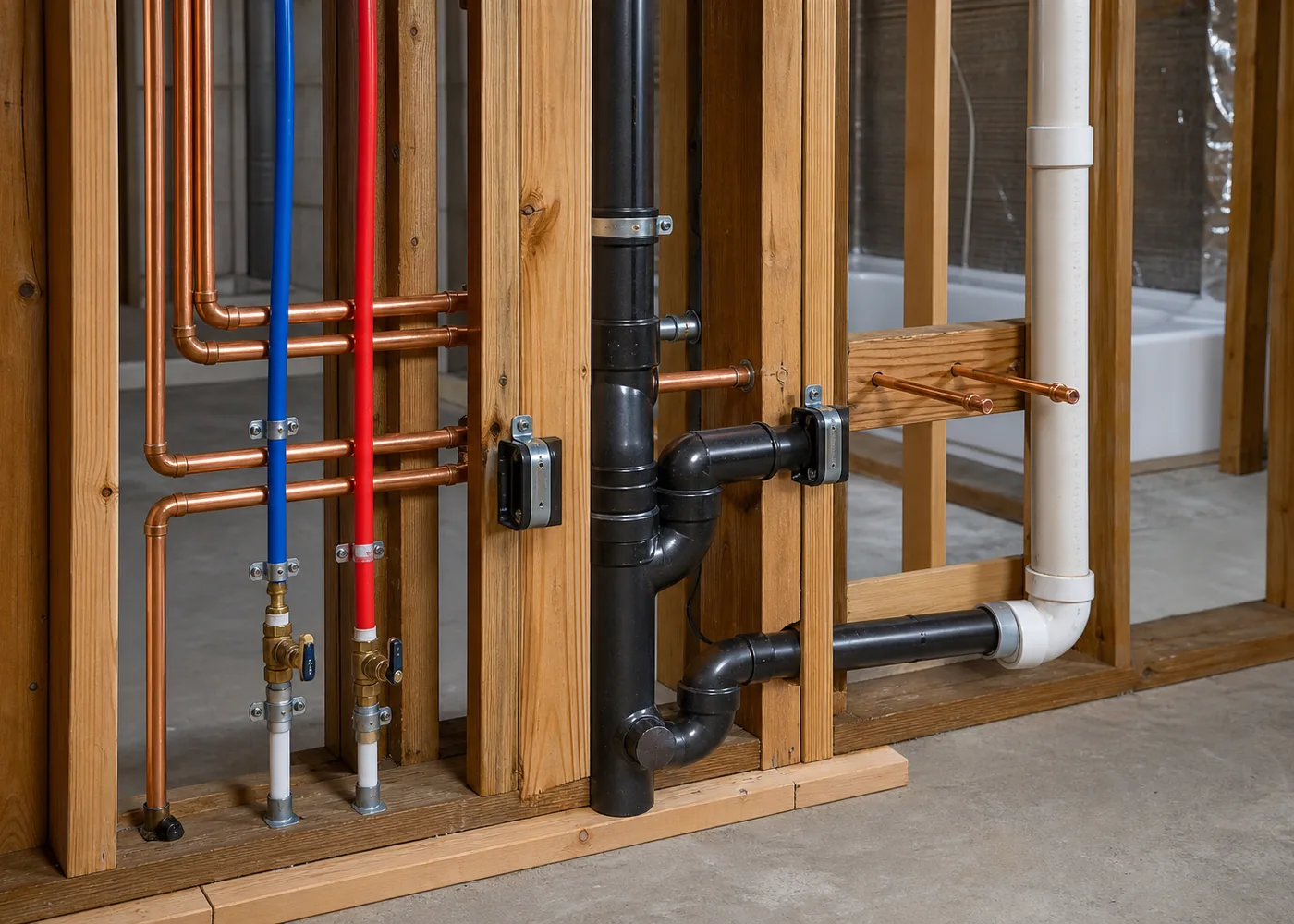
What gets buried behind drywall or under a slab is only as good as the pressure test and materials chosen before it disappeared—a detail that matters even more where hurricane rebuilds have layered new work over old.
See a sensible project process →Local housing context
“A working river port for two centuries, Wilmington only reached its barrier islands and inland farmland once causeways and bridges arrived well into the twentieth century—and much of what stands there now was rebuilt after Hurricane Hazel in 1954.”
Planning-level cost context
Compare scopes—not just totals.
Storm-related repairs, historic-district material rules, and sandy soil that shifts under a foundation can each add a step a flat online number never accounts for.
Tell us what you are planning
Make the first conversation more useful.
Whether the property is a downtown historic rehab, a raised beach cottage, or new construction near Porters Neck, naming the symptom and the home's age up front gets you a more useful first call.
Common questions
A clearer starting point.
Are you the contractor?
No—this site routes homeowner requests to an independent local provider; it does not perform plumbing work.
Is a provider guaranteed?
No. Provider availability shifts, especially after storms, so confirm current coverage and credentials directly.
Can I get an exact price online?
No. Elevated foundations, historic-district requirements, and site-specific flood exposure mean a real quote needs a look at the property.